Understanding Anxiety in Children: What Parents Need to Know
Anxiety is a normal part of being human, even for children. Worry, hesitation, or clinginess can all be part of healthy development. But when anxiety becomes intense, persistent, or starts getting in the way of a child’s daily life, it may be a sign they need extra support. As a counsellor working with children and families across regional WA, I see how confusing and overwhelming childhood anxiety can feel for parents. The good news is that anxiety is highly treatable, and with the right tools, children can learn to understand and manage their big feelings. In this post, I’ll walk you through what anxiety can look like in children, why it happens, and how you can support your child with confidence and compassion.
What Anxiety Can Look Like in Children
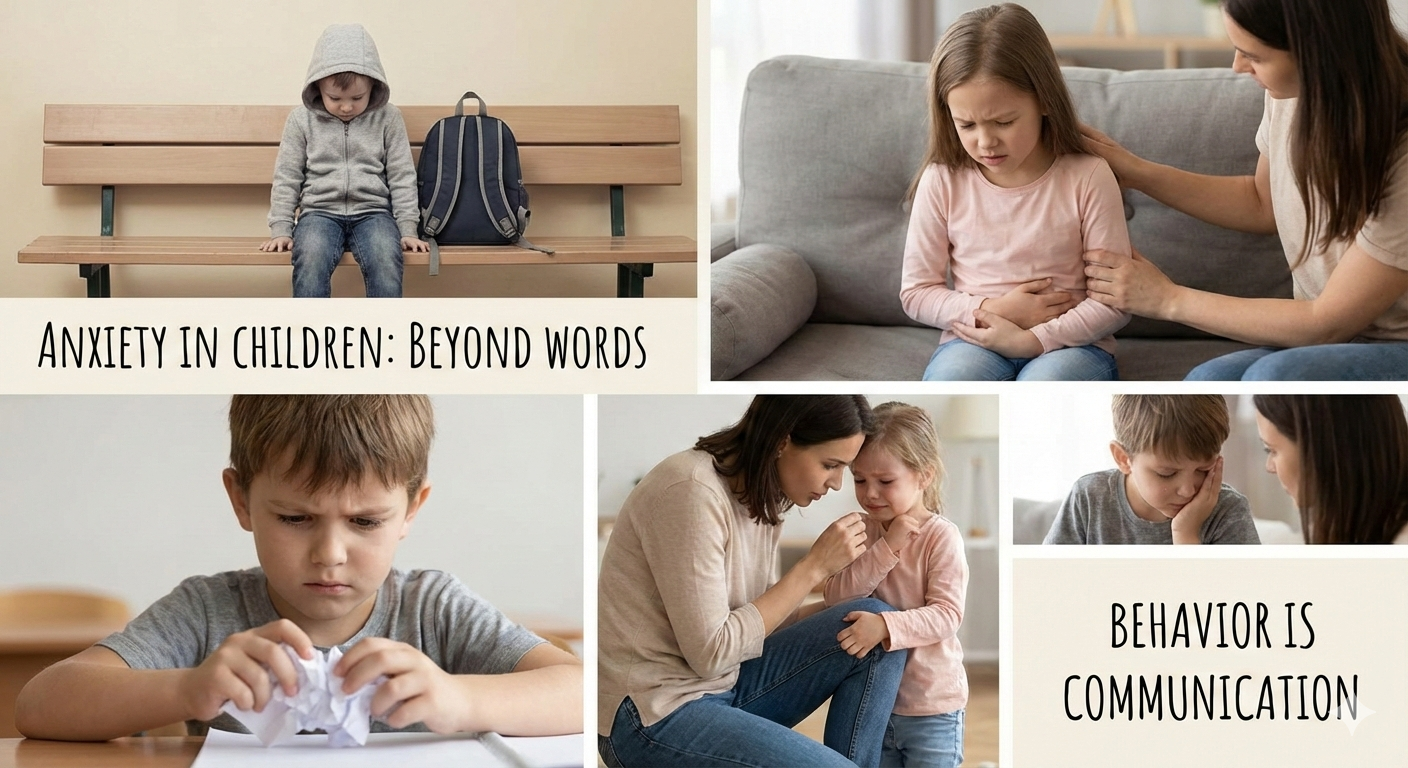
Children don’t always have the words to explain what they’re feeling. Anxiety often shows up through behaviour or physical symptoms. Some common signs include:
- Frequent crying or emotional outbursts
- Avoiding school or activities they usually enjoy
- Headaches, stomach aches, or fatigue
- Irritability, anger, or clinginess
- Trouble concentrating
- Changes in sleep or appetite
- Withdrawing from friends or social situations
- Restlessness or difficulty sitting still
These signs can be easy to miss or mistaken for other challenges. Many children also try to hide their worries, so gentle curiosity and open conversations can make a big difference.
Types of Anxiety Children May Experience
Children can experience anxiety in different ways. Some of the more common patterns include:
Separation Anxiety
A strong fear of being away from a parent or caregiver. While normal in babies and toddlers, ongoing distress in older children may signal separation anxiety disorder.
Worrying about many areas of life; school, friendships, family, the future, or past mistakes.
Generalised Anxiety
Social Anxiety
Intense fear of social situations, being judged, or interacting with others.
Obsessive-Compulsive Patterns
Repetitive thoughts (obsessions) paired with behaviours (compulsions) meant to reduce fear, like counting, checking, or repeating actions.
Panic Attacks
Sudden episodes of overwhelming fear, often with physical symptoms like shaking, shortness of breath, or a racing heart.
Phobias
Strong fears about specific things or situations, such as animals, storms, or medical procedures.
Why Do Some Children Develop Anxiety?
There’s no single cause. Anxiety can develop through a mix of:
- Genetics; some children are naturally more sensitive or cautious
- Stress or life changes
- Learning anxious patterns from adults around them
- Traumatic or overwhelming experiences
- Other conditions, such as ADHD or autism, which can increase vulnerability
Understanding the 'why' isn’t about blame, it’s about recognising the many factors that shape a child’s emotional world.
How Anxiety Is Treated

The most effective support for childhood anxiety is evidence‑based therapy. Approaches like cognitive behavioural therapy (CBT), exposure therapy, acceptance and commitment therapy (ACT), and dialectical behaviour therapy (DBT) help children understand their feelings, build coping skills, and gradually face fears in safe, supported ways. Sometimes medication is used alongside therapy, depending on the child’s needs and the guidance of a medical professional. Family involvement is also incredibly powerful. When parents learn how to respond to anxiety in calm, supportive ways, children feel safer and more capable.
How You Can Support Your Child at Home
Here are some gentle, practical ways to help your child build resilience:
- Listen with curiosity and validate their feelings
- Help them identify what triggers their anxiety
- Break big tasks into smaller, manageable steps
- 'Preview' new experiences so they know what to expect
- Model calm confidence, children borrow our nervous systems
- Celebrate effort, not perfection
- Slowly and safely expose them to situations they fear
- Avoid minimising ('There’s nothing to worry about') or labelling emotions as 'good' or 'bad'
You can also teach simple coping strategies like:
- Deep breathing
- Mindfulness or grounding exercises
- Muscle relaxation
- Creative expression through art
- Imagining a safe or happy place
- Gentle movement or walking
Healthy routines include sleep, nutrition, friendships, and physical activity also create a strong foundation for emotional wellbeing.
You Don’t Have to Navigate This Alone
If your child is struggling with anxiety, support is available. Early help can make a world of difference. At Life on Your Terms Counselling, I work with children and families across the Goldfields to build emotional skills, strengthen resilience, and create calmer, more connected homes. If you’d like guidance or feel unsure where to start, you’re welcome to reach out. You and your child deserve support that feels grounded, compassionate, and tailored to your unique family.